



Most curb rash repair in Olathe, KS runs roughly $100 to $200 per wheel for cosmetic scrapes, while a full refinish with a color or finish change typically lands between $150 and $350 per wheel. Bent rims, cracks, or diamond-cut faces cost more and sometimes cannot be saved. The exact price depends on wheel size, finish type, and how deep the gouge runs past the clear coat into the bare aluminum.
Key takeaways
- Light curb rash: about $100 to $200 per wheel for sand, fill, and repaint on a standard painted or machined wheel.
- Full refinish or color change: this is where the broader wheel refinishing cost climbs to roughly $150 to $350 per wheel depending on size and finish.
- Bent or cracked rims: a separate repair; some are fixable, some must be replaced for safety.
- Olathe’s roads matter: freeze-thaw potholes and tight retail parking lots are the main local culprits behind scraped rims.
- Repair almost always beats replacement: a single OEM alloy wheel can cost far more than refinishing the one you have.
What Actually Causes Curb Rash on Olathe Roads
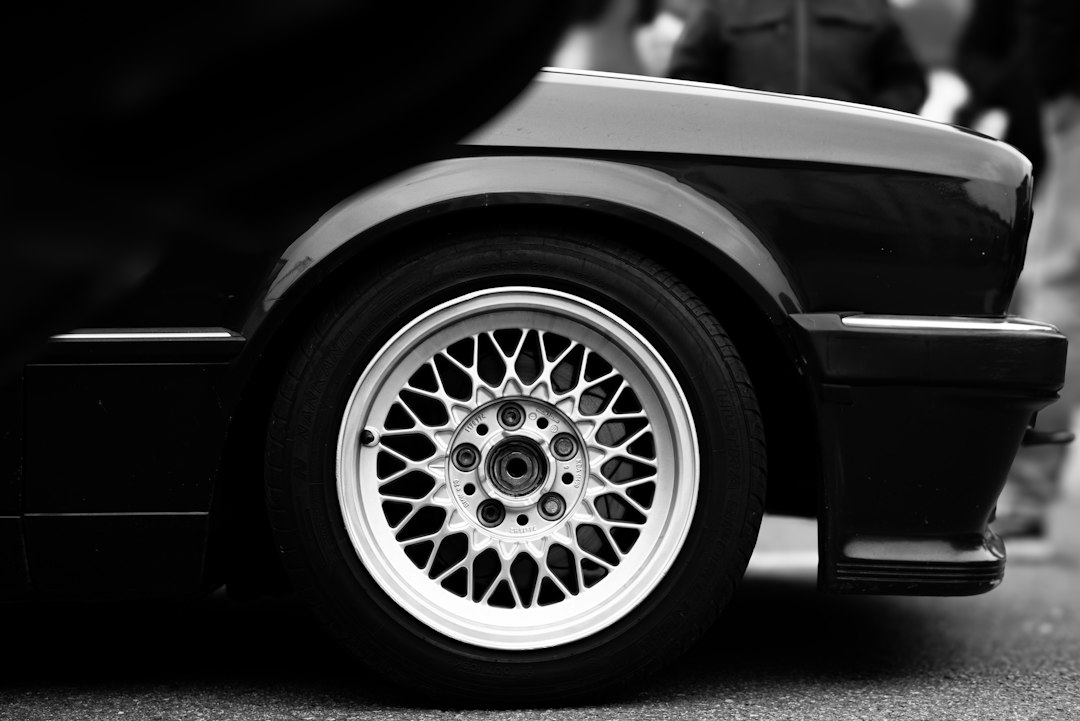
Curb rash is cosmetic damage to the outer lip and face of an alloy wheel, usually from scraping a concrete curb, a parking block, or a pothole edge. In Olathe, the damage tends to come from three predictable places. Kansas winters put wheels through repeated freeze-thaw cycles, and that expansion and contraction opens up potholes along routes like 119th Street, Santa Fe, and the stretches of I-35 and K-10 that frame the city. Tight parking at spots like Olathe Station, the retail lots off 151st, and older downtown curbs near the Santa Fe district account for the slow-speed scrapes. And gravel shoulders on the more rural west-side roads throw debris that chips finishes over time.
Johnson County’s mix of newer subdivisions and daily commuter traffic means a lot of late-model alloys and low-profile tires, which leave the rim lip closer to the curb and far more exposed. The lower the tire sidewall, the less cushion between your expensive wheel and a concrete edge. That exposure is exactly why demand for rim repair in Olathe spikes after the first hard freeze each year.
How Much Wheel Refinishing Really Costs
Pricing comes down to the type of damage and the finish on the wheel. Here is how practitioners generally break down the wheel refinishing cost:
- Cosmetic curb rash (painted or machined wheels): around $100 to $200 per wheel. This covers sanding the gouge, filling if needed, priming, color, and clear coat.
- Full refinish or custom color change: roughly $150 to $350 per wheel. Larger 20-inch-plus wheels and multi-stage finishes sit at the top of that range.
- Diamond-cut or polished faces: these need a lathe to re-cut the machined pattern and are specialist work, so they run higher and not every shop offers them.
- Bent or cracked rims: straightening or welding is priced separately and depends entirely on severity. Structural cracks on the barrel or a bent bead seat may not be safely repairable at all.
Treat any wheel repair in Olathe, KS price as an estimate until the wheel is inspected. A scrape that looks shallow can hide a bent lip once the clear coat comes off. For anything involving a crack, a bent structural area, or a wheel that will not hold a tire bead, consult a licensed wheel repair professional before driving on it, since wheel integrity is a safety matter.
Repair or Replace: Running the Numbers
For most Olathe drivers, refinishing wins on cost. A replacement OEM alloy wheel for a common SUV or sedan frequently costs several hundred dollars before mounting and balancing, and matching the exact factory finish on just one new wheel next to three weathered ones is its own headache. Refinishing the wheel you already own keeps the set matched and the total bill lower.
Replacement makes sense when a rim is cracked through, severely bent, or corroded past the point where a finish will adhere. In those cases, safety comes first. If you are weighing the two, our breakdown of whether wheel repair is more cost-effective than replacement walks through the decision in more detail.
The Refinishing Process, Step by Step
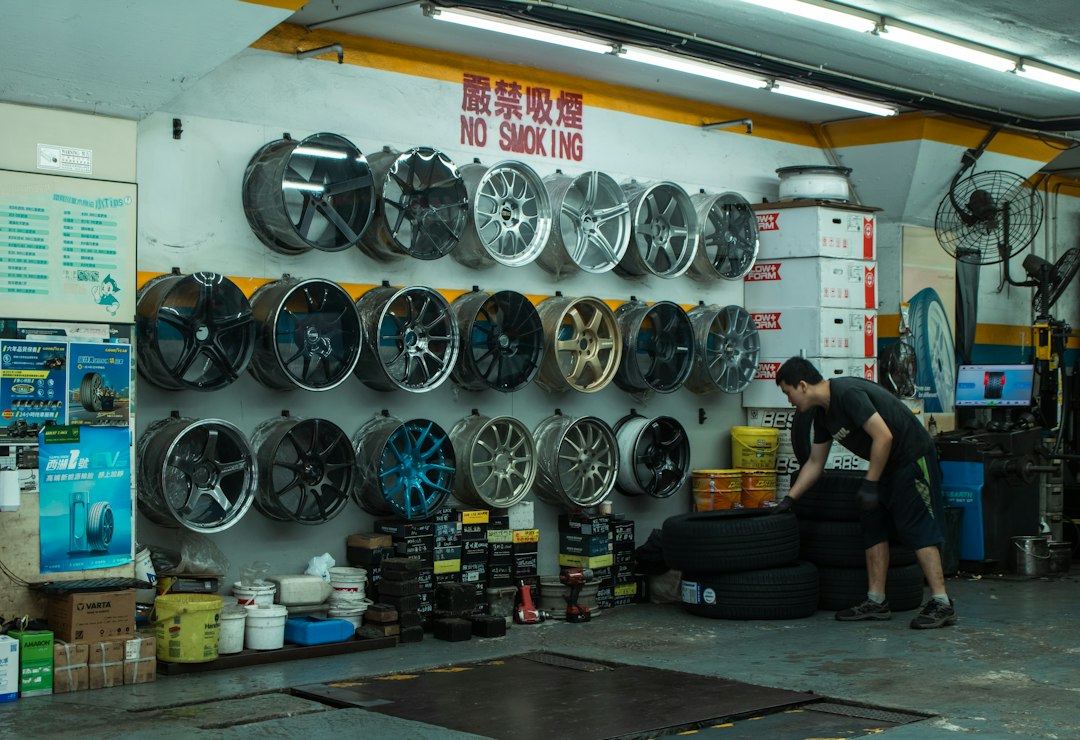
Knowing what happens to your wheel helps you judge a fair quote. A typical cosmetic curb rash repair, and alloy wheel refinishing generally, looks like this:
- Inspection: the tech checks for bends, cracks, and how deep the gouge runs past the clear into bare aluminum.
- Tire handling: depending on the damage location, the tire may be dismounted or deflated and pushed back from the lip.
- Sanding and filling: the damaged area is sanded smooth; deeper gouges get a metal-grade filler and are re-shaped to the original contour.
- Priming and color: primer goes down, then the matched base color.
- Clear coat and cure: a clear coat seals and protects the repair, then cures before the wheel is rebalanced and reinstalled.
A single wheel is often a same-day or next-day job. A full set takes longer because of cure times between stages. If you want the local specifics on turnaround, see our rundown of how long a typical wheel repair takes at a shop.
Protecting Your Wheels Through a Kansas Year
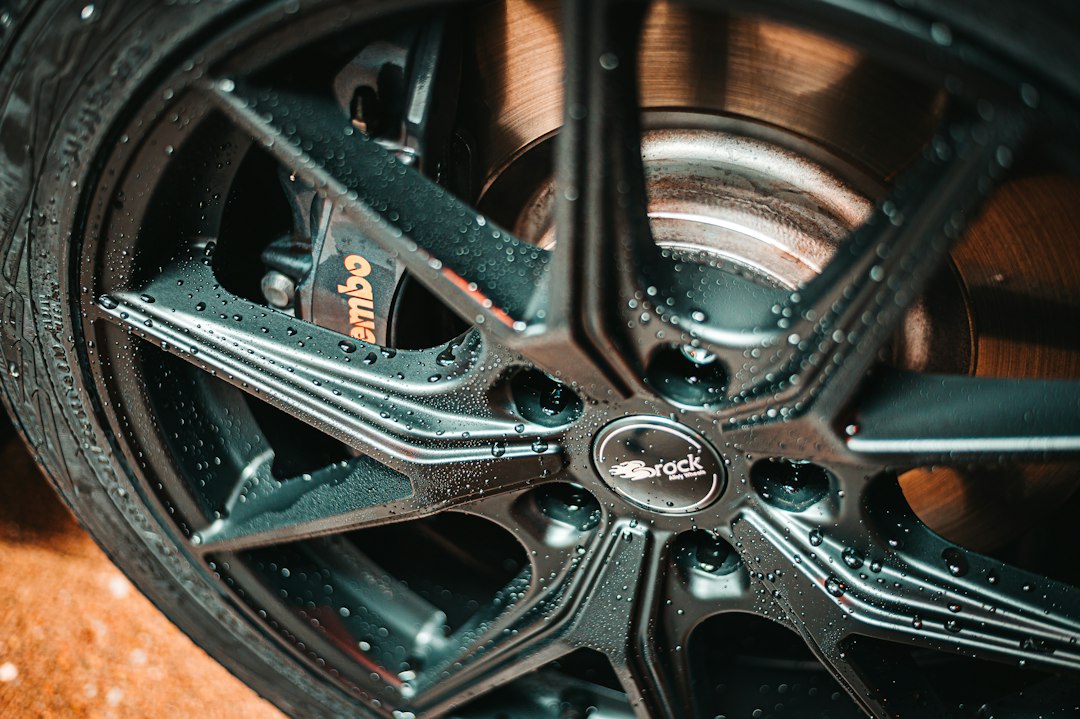
Once a wheel is refinished, a little maintenance keeps it that way. Kansas road crews use salt and brine during winter storms, and that residue is hard on both finishes and bare metal. The U.S. Environmental Protection Agency notes that road salt runoff is a recognized environmental and corrosion concern, which is part of why rinsing it off your wheels matters as much as washing the body. Our guide to removing road salt stains from car paint applies to wheels just as well.
A few habits go a long way in Olathe:
- Rinse wheels after winter driving to clear salt and brine before it sits.
- Watch low-profile tires in tight lots and against angled curbs downtown.
- Consider a coating on refreshed wheels to make future cleanup easier and add a barrier against brake dust and road grime.
When you are ready for an inspection or a quote, reach out through our Olathe shop and we will assess the wheel in person before quoting a number.