


Wheel refinishing and curb rash repair restore a scraped, pitted, or peeling rim back to a smooth, factory-quality finish without buying a new wheel. At Xtreme Autowerx in Olathe, KS, the process involves stripping the damaged area, sanding and filling gouges, re-shaping the wheel lip, then re-coating and clear-coating to match the original color. For most drivers, a single scuffed wheel can be made right in a day or two for a fraction of replacement cost.
Key takeaways
- Curb rash repair reshapes and refinishes the damaged rim face and lip, so you keep your original wheels instead of replacing a full set.
- Refinishing is almost always cheaper than replacement, especially for staggered or OEM alloy wheels that are costly to source.
- Olathe’s freeze-thaw winters and road-salt season accelerate corrosion on bare aluminum, making prompt repair worthwhile.
- Cosmetic curb rash is repairable; cracked, bent, or structurally compromised wheels should be inspected by a qualified technician before any road use.
- A proper refinish includes color matching and clear coat, not just a quick touch-up, so the fix blends with your other wheels.
If you have ever cut a turn too tight against a curb on Santa Fe Street or scraped a rim easing into a tight parking stall at the Great Mall of the Great Plains area, you already know the sinking feeling of fresh curb rash. The good news is that most of that damage is cosmetic and fully repairable.
What curb rash actually is and why it matters in Olathe
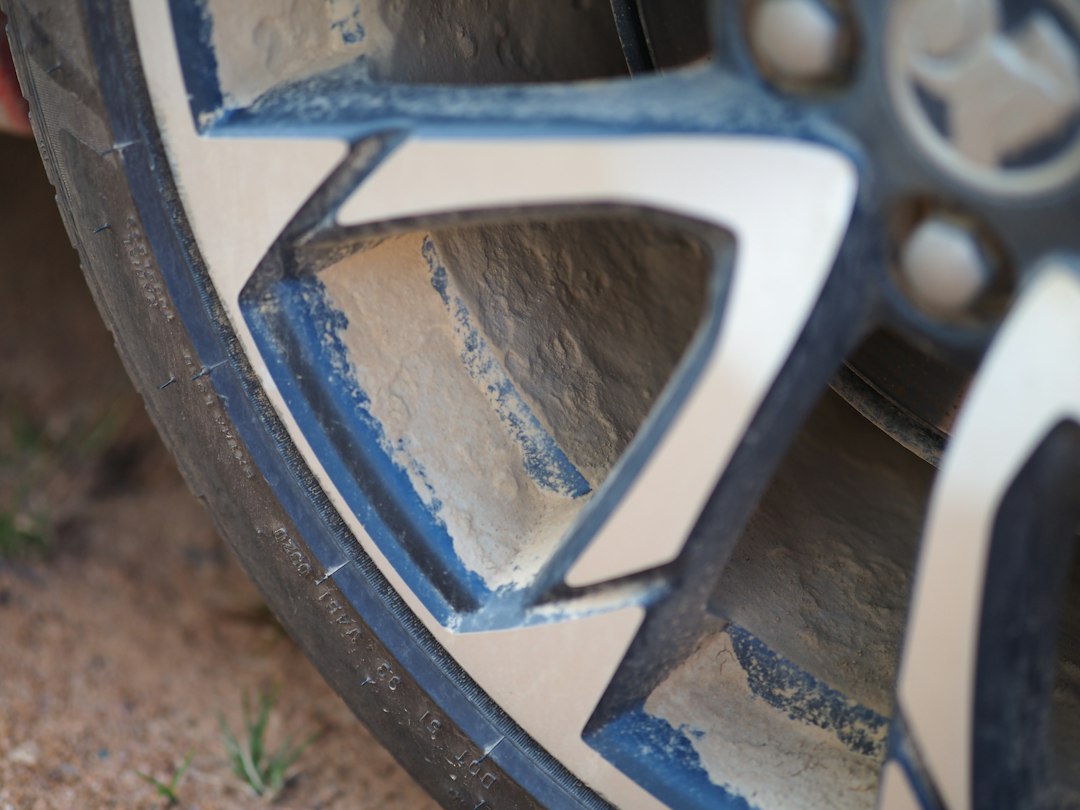
Curb rash is the scraping, gouging, and material loss that happens when an alloy wheel drags against concrete or stone. On the surface it looks like a cosmetic scuff, but once the clear coat and paint are breached, the bare aluminum underneath is exposed. In Olathe that exposure matters more than it would in a dry climate. Johnson County winters bring repeated freeze-thaw cycles and road salt and brine on roads like I-35 and K-10, and salt accelerates aluminum oxidation. Left alone, a simple scuff can bloom into white, chalky corrosion that spreads under the surrounding finish.
Pollen-heavy springs and hot, humid Kansas summers add their own wear, baking contaminants into any exposed metal. That is why addressing curb rash early, rather than waiting until the wheel looks obviously corroded, is the smarter move for local drivers.
Refinishing versus replacement: the real cost trade-off
Replacing a single OEM alloy wheel often runs into the hundreds of dollars before mounting and balancing, and matching an older wheel finish across a set can be difficult once a design is discontinued. Refinishing keeps the wheels your car left the factory with, which preserves fitment, load rating, and finish consistency. For staggered setups where front and rear wheels differ in width, replacement gets even more expensive, so repair is usually the clear winner.
The same logic that makes repair smarter for rims applies across cosmetic work. If you are weighing fix-versus-replace elsewhere on your vehicle, our guide on whether wheel repair or replacement is best for your ride breaks the decision down in more detail, and a closer look at wheel repair cost-effectiveness covers the numbers.
How the wheel refinishing process works at Xtreme Autowerx
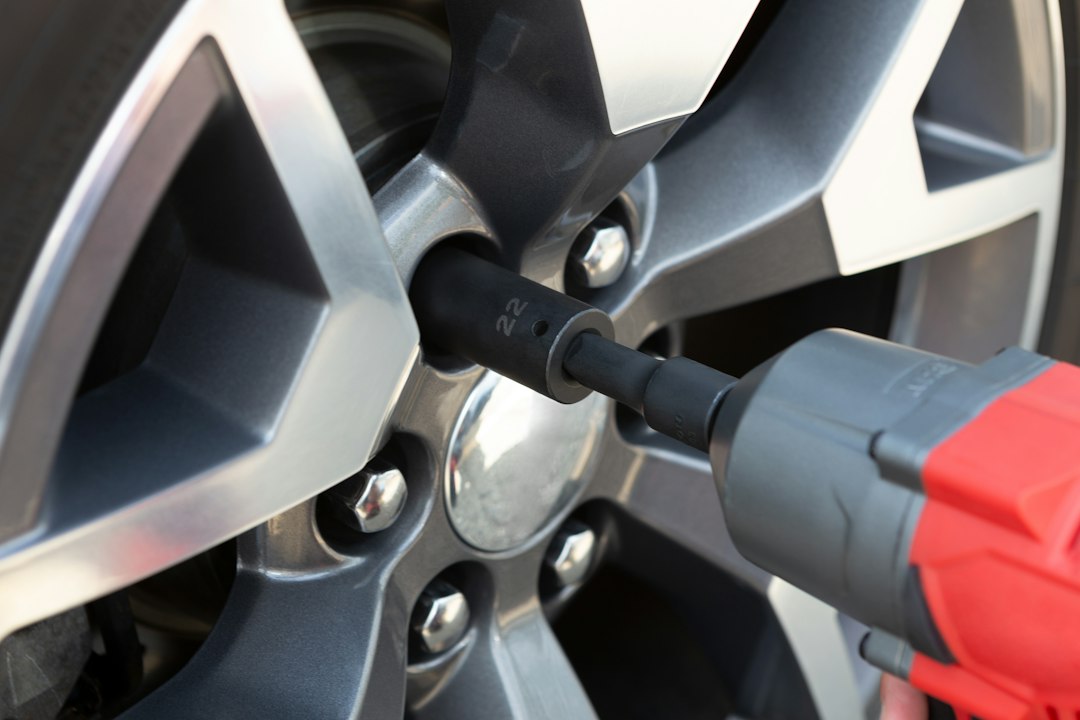
A quality refinish is more than spraying paint over a scuff. Here is what the work actually involves:
- Inspection and tire handling: The wheel is assessed for cracks and bends first. Cosmetic rash gets repaired; structural damage is flagged for professional evaluation before the wheel goes back on the road.
- Stripping and sanding: Damaged clear coat and paint are removed and the gouged area is sanded back to clean, sound metal.
- Filling and reshaping: Deep gouges and a chewed-up wheel lip are filled and re-profiled so the edge regains its original line rather than looking flat or rounded.
- Priming, color, and clear coat: The repair area is primed, color-matched to the rest of the wheel, then sealed with clear coat for durability and gloss.
- Curing and final finishing: The finish is cured and polished so the repaired section blends into the undamaged areas.
Timelines vary with the severity of the damage and the finish type, but a single cosmetic repair is often a one to two day turnaround. For a full walkthrough of the shop process, see how the wheel repair process works.
When curb rash repair is not enough
Not every wheel is a candidate for a simple cosmetic refinish. Hitting one of the deep potholes that open up around Olathe after a hard freeze-thaw winter can bend a rim or create a hairline crack, and those are safety concerns, not cosmetic ones. A bent wheel can cause vibration and uneven tire wear; a cracked wheel can lose air or fail. Those conditions should be inspected by a qualified technician, and in some cases the wheel genuinely needs replacement. We will tell you honestly which category your wheel falls into rather than refinishing something that should not stay on the road. If you want to understand the limits of at-home fixes first, our take on whether DIY wheel repair is safe is a good starting point.
Protecting your refreshed wheels through Kansas seasons
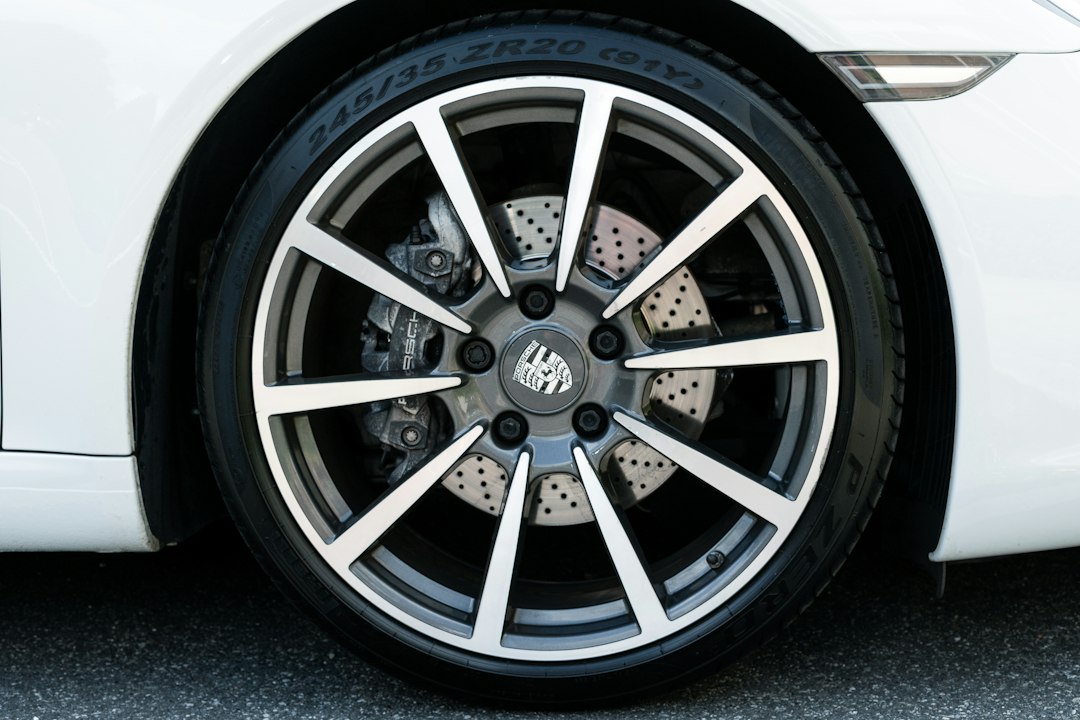
Once your rims are refinished, keeping them clean is the single best way to protect the work, especially through the salt and brine months. Rinse road salt off regularly in winter and use a non-acidic wheel cleaner so you do not strip the clear coat. For drivers who want long-term protection, a durable coating adds a sacrificial layer against brake dust, salt, and UV exposure. You can read how our Revivify coatings add that protection, and the U.S. Environmental Protection Agency offers general background on how road salt affects the environment and surfaces if you want to understand why winter runoff is so hard on bare metal.
Ready to get your rims looking right again? Learn more about our wheel repair services or contact Xtreme Autowerx in Olathe for an assessment of your curb rash.